

picture alliance / CFOTO
Kommentar
AstraZeneca’s R&D bet makes China a pharma innovation hub
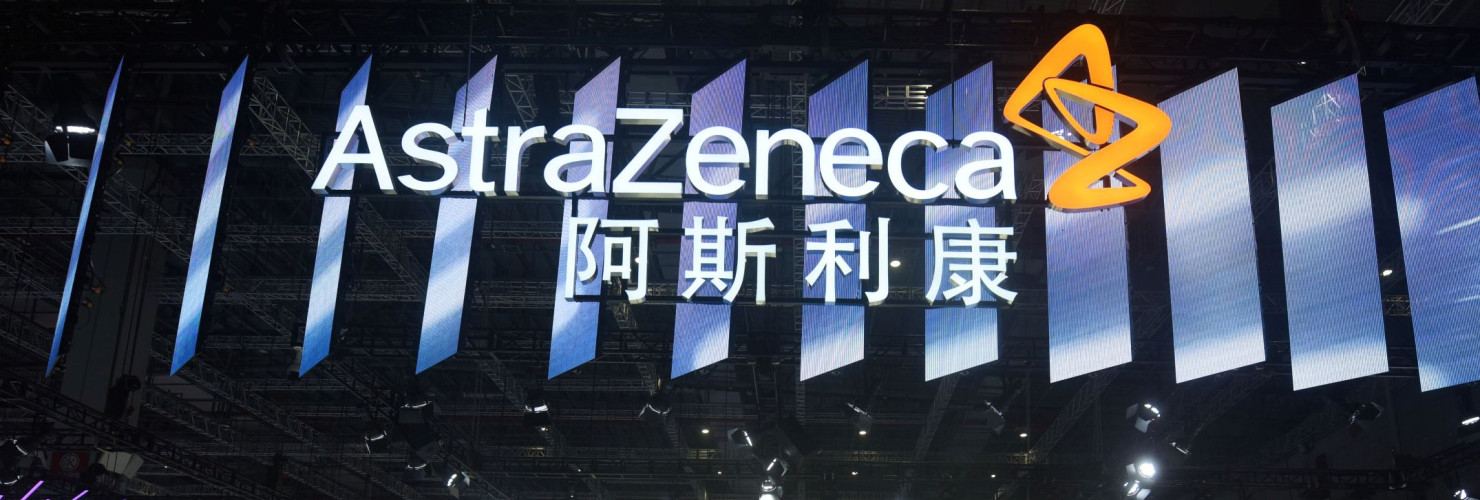
UK pharmaceutical company AstraZeneca (AZ) said in January it will invest USD 15 billion in its Chinese research and production facilities through 2030. Celebrated as a win for the UK life science sector, the decision puts China on par with the US and Europe as an innovation hub for AZ at a time of fierce global rivalry.
Washington and Brussels both recently issued legislation to protect their biotech industries from competition. The US BIOSECURE Act, passed in December, limits the role of Chinese firms in US biotechnology R&D. The draft Biotech Act, which the European Commission published almost simultaneously, aims to close the innovation gap with the US and China.
AZ’s investment goes directly against these policies by relocating biotech research to China. Chinese media see it as cementing China’s position in global pharma innovation, noting how AZ upgraded China from a key market to a global innovation hub. Including a USD 2.5 billion investment in its Beijing lab announced in 2025, AZ will have two strategic labs each in China, the US and Europe (Sweden and the UK). China-based staff is to reach 20,000, overtaking both the US (18,000) and the UK (about 10,000), whereas China is only about 12 percent of global sales. Moreover, AZ is investing much less in its other R&D hubs. It has put USD 820 million in planned UK investments on hold, partly due to issues with government support.
The USD 15-billion commitment puts AZ in an elite club of large China investors, such as Volkswagen and BASF. Like these, AZ will spur China’s domestic eco-system of suppliers, labs and partners, particularly in the development of cutting-edge treatments using cell therapy and radio conjugates. AZ typically explores innovative drugs together with local partners, leading to licensing deals where the company buys global marketing rights.
A prominent Chinese partner is CSPC Pharmaceuticals, which uses AI to identify treatments for chronic diseases. CSPC and AZ signed deals worth USD 2.1 billion in 2024, USD 5.2 billion in 2025, and USD 18.5 billion in 2026, each time covering several assets, most notably the weight loss drug SYH2082.
Jeroen Groenewegen-Lau, Head of Program Science, Technology and Innovation Policy, MERICS: “Innovating in China is so attractive for multinational corporations like AstraZeneca that they are willing to take the risk of alienating US and European governments, who want them to prioritize their innovation eco-systems. US and European laws and policies are not (yet) having the intended impact.”
Autor(en)

Lead Analyst
Autor(en)
Lead Analyst

Topics