

picture alliance / CFOTO
Kommentar
Fusion of AI and healthcare shows China is bullish about an “intelligent” society
China is rapidly moving to integrate AI and life sciences, positioning “AI + healthcare” at the heart of its public health and biotechnology strategies under a national plan released in October. Beijing wants high-quality data sets, specialized AI models and application bases in place by 2027, while AI should be popularized at primary care level by 2030. Policies encouraging large-scale AI deployment in drug discovery, diagnostics, and medical services enable Chinese firms to speed up their rise as global leaders in biopharma.
The new plan sits under the umbrella of “AI Plus” (人工智能+, or AI+), through which Beijing hopes to fuse AI technologies with the real economy and social governance. According to Xi Jinping, AI is the “lead goose” (头雁), poised to drive innovation and productivity across every aspect of China’s socioeconomic development. Xi has described this new industrial revolution driven by AI and other data-driven technologies as the “intelligentization” (智能化) of society.
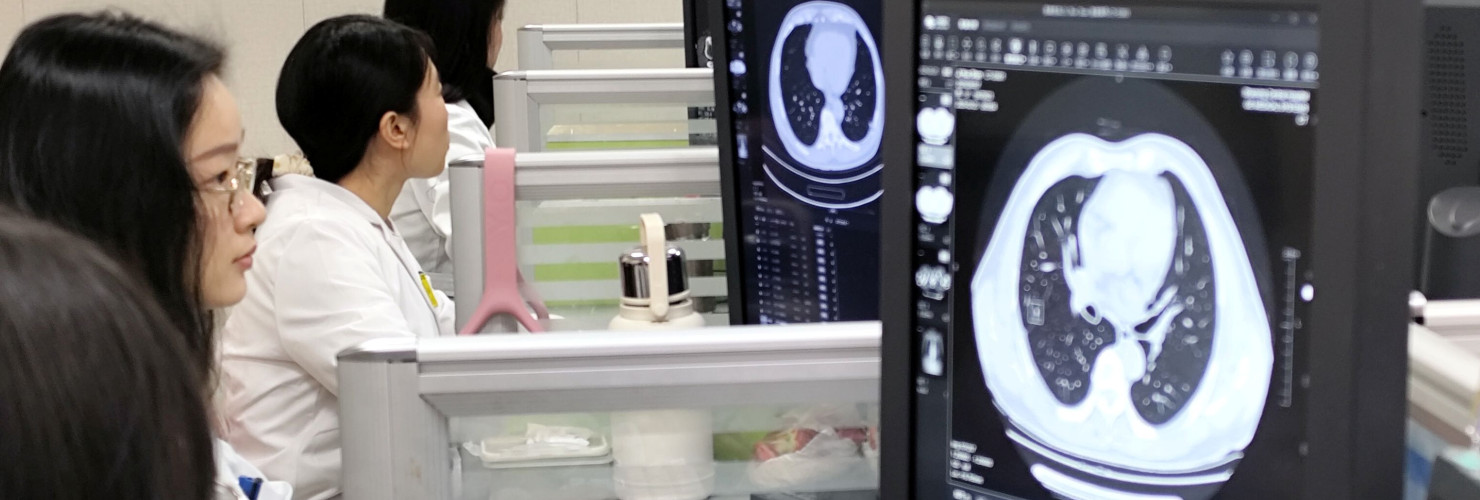
In fact, Beijing’s embrace of medical AI is not new. Pilot projects and applications ranging from AI-assisted CT scanners to virtual medical assistants have been around for years, and the Covid-19 pandemic was a boon for Chinese medical AI startups. Today, China’s strong biotech industry and a more mature biodata market position the country well to seize the opportunities from rapid technological transformation in AI and life sciences. One exciting space is AI drug discovery, with multinationals flocking to China to tap its data and talent pools.
But there are reasons to be skeptical. China’s healthcare system, under pressure from a shrinking population, suffers from weak primary care, institutional rigidity, persistent inequalities, and a lack of funding. For example, advanced treatments will be out of reach for most Chinese citizens so long as the party state prioritizes investment in flashy high-tech projects over improving access to healthcare.
Rebecca Arcesati, Lead Analyst, MERICS: “China’s AI strategy and policy have embodied Xi Jinping’s ‘techno-solutionist’ ethos since the country released its first blueprint for AI development in 2017. The CCP’s leadership seems persuaded that AI will fix all of China’s problems, including its imbalanced and chronically underfunded healthcare sector. It is too early to tell how this will pan out.”
Autor(en)

Ko-Programmleiterin
Autor(en)
Ko-Programmleiterin

Topics