

picture alliance / Xinhua News Agency | Ge Chuanhong
Kommentar
Profile: CXMT’s IPO signals a funding shift in China’s chip manufacturing
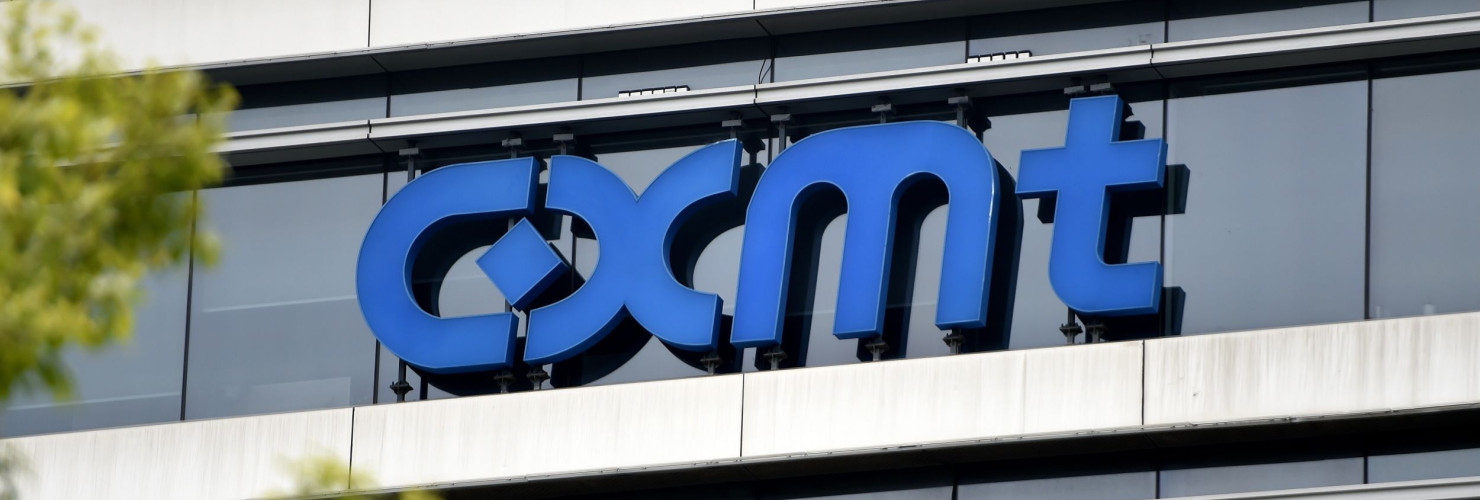
Hefei-based chipmaker ChangXin Memory Technologies’ (长鑫存储, CXMT) booming debut on the Shanghai STAR market in July highlights a structural shift in the financing of China’s chip champions. On its first day, the company’s stock soared nearly 470 percent, raising CNY 66.6 billion (USD 9.8 billion) and making CXMT China’s largest listed company as it aims to compete with global leaders. The timing is no coincidence: Beijing’s clean-up campaign targeting local government debt leaves a financing gap to accelerate CXMT’s growth – and other chip makers like Yangtze Memory Technology (YMTC) are already set to follow the IPO trend.
CXMT plays a critical role in Beijing’s drive for technological self-sufficiency. The global memory shortage caused by the AI boom has opened a window for the company to build and capitalize on its capacity in cheap Dynamic Access Memory (DRAM). This has turned CXMT into the world’s fourth-largest memory producer.
The company recently secured a USD 7 billion memory procurement deal with ByteDance and a nearly USD 3 billion supply pact with Tencent, with plans to build a second 12-inch wafer fab in Beijing to further increase its capacity of DRAM and consolidate its position as a top memory maker. On top of that, Apple is reportedly lobbying the US government for clearance to buy their chips, with estimates showing CXMT may catch up with Micron Technology, the world’s third-largest memory chip maker, in terms of wafer capacity by the end of 2026.
However, Hefei-backed government funding, which up to now has served as the backbone of CXMT’s infrastructure development, faces a bottleneck. Local governments’ revenue base has been shrinking due to the property market downturn and mounting debt burdens. In CXMT’s case, going public ultimately helps break through the ceiling of this local government-driven model.
But it remains unclear whether domestic capital can sustain enormous capacity expansions. Retail investors cannot access the Shanghai STAR market, and direct flows of US capital to Chinese semiconductor stocks face considerable regulatory restrictions. China’s stock markets are dominated by domestic retail investors and prone to fluctuation. The government’s efforts to bring in institutional investors to support and stabilize tech shares underline some of these broader issues.
Nonetheless, CXMT’s successful IPO is a reminder for Europe to avoid potential new dependencies – especially in highly price-sensitive industries like automotive that need large quantities of memory chips. Brussels should look to connect its broader ambitions for semiconductors in the Chips Act 2.0 with existing projects, provide targeted funding and evaluate whether the EU’s strategy can provide sustainable long-term capital to close the gap in memory chip capacity.
By Mauricio Selig, Student Assistant, MERICS

Topics